Project works to improve burns care for Indigenous children
University of Queensland researchers are working to improve the care of Aboriginal and Torres Strait Islander children with burns injuries.
The project to investigate barriers and enablers to burns care is led by Professor Rebecca Ivers from the George Institute for Global Health and involves a team at UQ’s Centre for Children’s Burns and Trauma Research and an Aboriginal and Torres Strait Islander advisory committee.
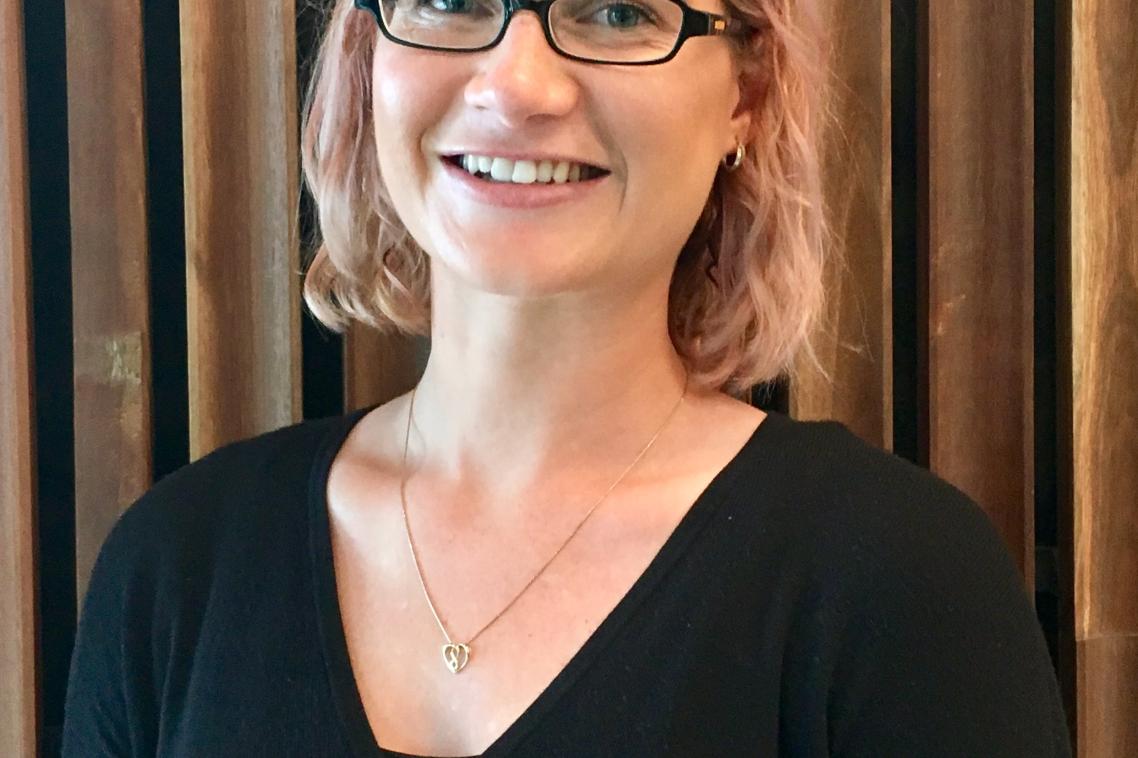
UQ PhD Candidate Hayley Williams said the work would help develop national best-practice guidelines for culturally appropriate and safe care.
“Aboriginal and Torres Strait Islander patients often have longer travel times to access burns services, so they generally have to stay in hospital for an extended period of time,” Ms Williams said.
“The impacts of being so far away from extended family and land is profound.
“Australian health services are very westernised and Aboriginal and Torres Strait Islander patients are expected to slot into a system that doesn’t align well with their family values and perspectives of health and wellbeing.
“Understanding the health system and even navigating a new city or a big hospital can be difficult, and we need to realise that it’s not just the family’s responsibility to handle this alone, but that of health professionals too.”
Families of burns patients aged 0-16 years old at five tertiary hospitals across Australia are being recruited into a National Health and Medical Research Council (NHMRC) funded project to investigate all stages of the care and after care process.
The data will inform future campaigns and guidelines to improve the delivery of care to Aboriginal and Torres Strait Islander families.
Ms Williams is supervised by a team including Professor Roy Kimble and Dr Bronwyn Griffin of UQ’s Child Health Research Centre, who recently co-authored an editorial in the Medical Journal of Australia on the topic of Indigenous burn rates.
Professor Kimble said burns were a specific health burden, and understanding the detail was vital to finding solutions.
“Prevention must be part of any intervention to reduce the burden of burn injuries in Indigenous children, alongside optimal first aid,” he said.
“Campaigns to prevent burn injuries will only succeed if targeted at specific populations, and collaboration between injury prevention advocates, health workers and Indigenous leaders is essential.”
Media: Kim Lyell, k.lyell@uq.edu.au, 0427 530 647.
Related articles

From cooked breakfast to their own TV, aged care residents need to watch for extra fees