
Carpark currawongs could trigger bird decimation
A chance spotting of a pied currawong nest at a Brisbane shopping centre suggests the species is adjusting to urban life, potentially threatening other birds.
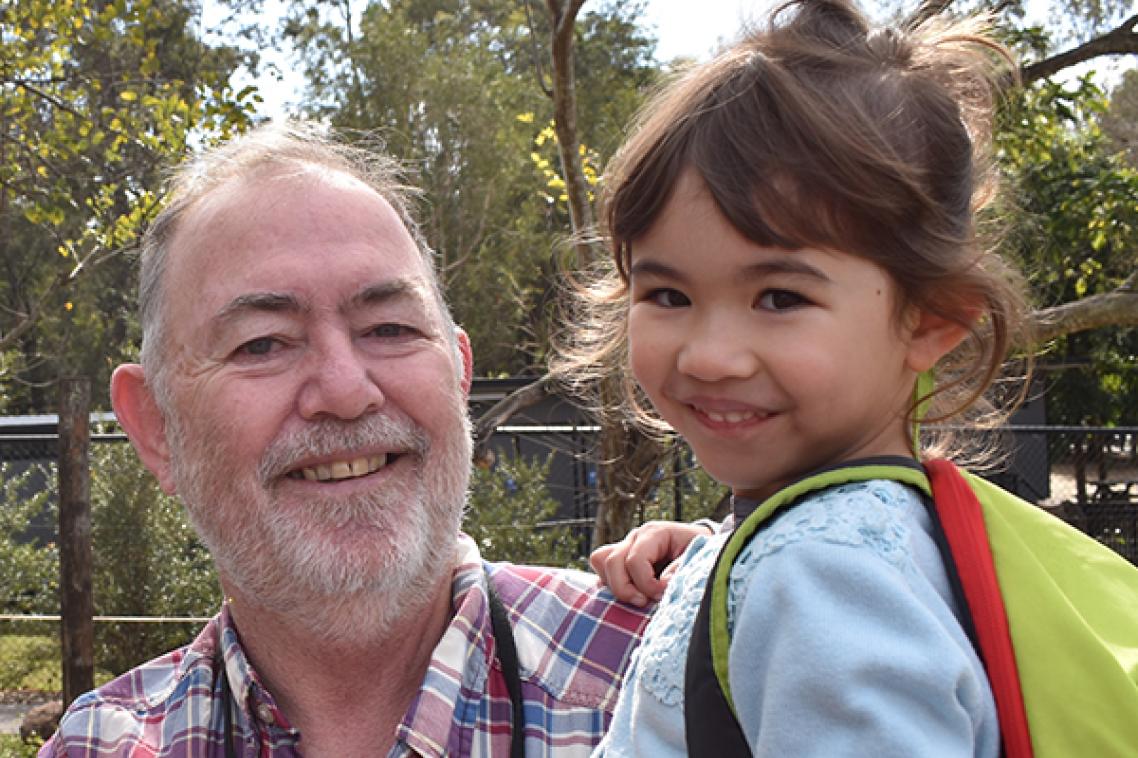
University of Queensland ecologist Graham Fulton spied the crafty currawongs while walking through the underground carpark of the Robinson Road Marketplace.
“My four-year-old daughter Grace pointed to the birds and asked what a currawong was doing in there,” Mr Fulton said.
“As soon as I looked up, I realised that Grace really knew her birds.”
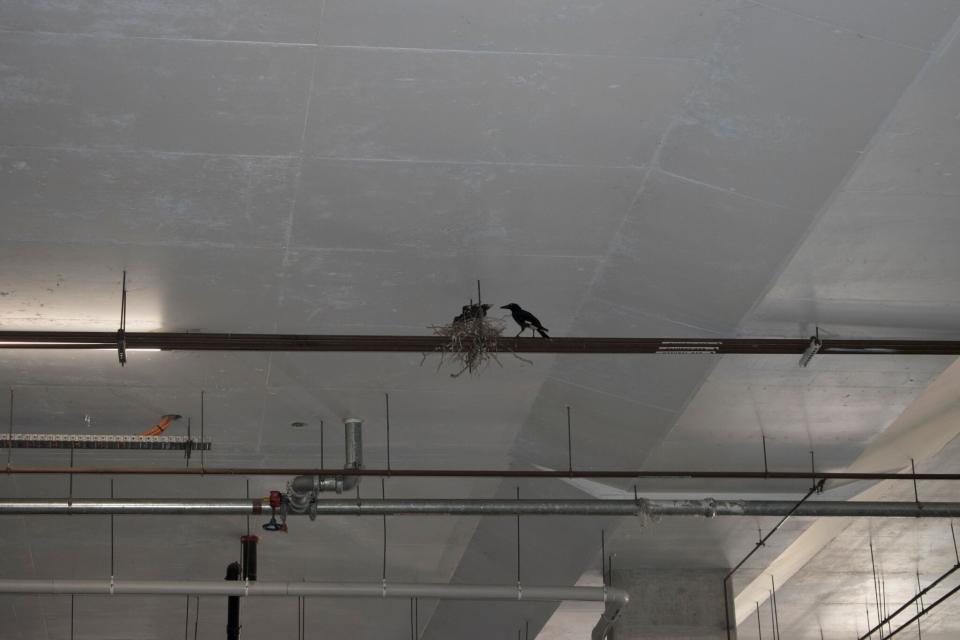
Mr Fulton, a PhD student with the School of Biological Sciences, said the discovery of two adult pied currawongs and three nestlings in the underground pipework was a surprise.
“These birds nest naturally in tree branches up to 20 metres above the ground, and, as far as we knew, definitely not in caves.
“But at this site I found evidence that they’ve been doing this for at least the last three years.”
Mr Fulton said the pied currawong (Strepera graculina) is the most important nest predator in Australia and a new fondness for urban nesting may increase its already significantly impact on other bird species.
“If it continues to show this flexibility in its choice of nest sites, its numbers will only increase in our cities and suburbs, potentially boosting its negative impact on nearby species.
“It would be interesting to see whether the offspring from these nests mimic this behaviour” he said.
“If so, we could be looking at a worrying long-term shift, and an increasing threat to other bird species.”
This sighting of the bird is described and discussed in the most recent publication of Australian Field Ornithology (DOI: 10.20938/afo35091092).
Image above left: Currawong nest discovered at the Aspley Hypermarket carpark.
Media: Graham Fulton, grahamf2001@yahoo.com.au; Dominic Jarvis, dominic.jarvis@uq.edu.au, +61 413 334 924.
Topics
Related articles

‘Super fungi’ offer greener path to recover critical minerals
