
Calculating cost-effective conservation
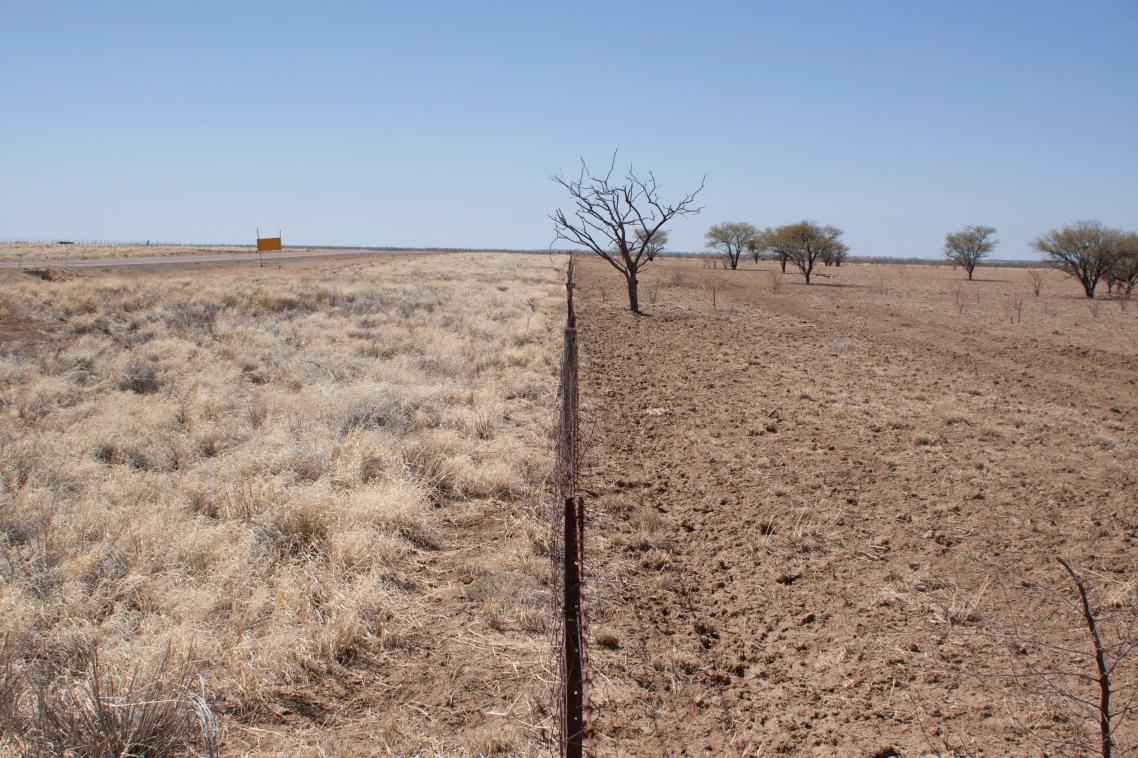
Maintaining existing conservation areas might be a more cost-effective investment than expansion, according to new research led by The University of Queensland.
The study, led by Dr Vanessa Adams from UQ’s School of Biological Sciences, modelled data from protected areas around the globe, comparing the impact of expanding protected areas, versus improved protected area management.
“Protected areas are widely seen as a cornerstone of our global conservation approach,” Dr Adams said.
“They allow us to keep important areas intact and largely threat-free, to protect biodiversity.
“But given limited conservation funds and shortfalls in funding for existing protected area management needs, a critical question is: should countries and states spend new funds on purchasing more land or manage existing protected areas?”
To answer this question, Dr Adams and her team used a ‘dynamic landscape model’.
“This type of modelling allows us to capture what we think are the essential defining factors about a landscape,” she said.
The team soon discovered that, in contrast with spending patterns of most nations, which tend to focus on expansion rather than management, management is often the better first investment.
“Management provides immediate biodiversity benefits that, for many realistic scenarios, are more valuable than the future benefits achieved by expansion,” she said.
“This confirms what we’d seen on the ground for some time – protected area managers don’t have the adequate funding, staff, or time to support required management actions, like fencing protected area boundaries, removing weeds and prescribed burns.”
“We’re seeing continued species population declines both inside and outside of protected areas, meaning they’re simply not effective without adequate investment in threat management.
Despite this misdirection of funds, Dr Adams recognises that there are still many good examples of effective protected area management delivering positive impacts for species.
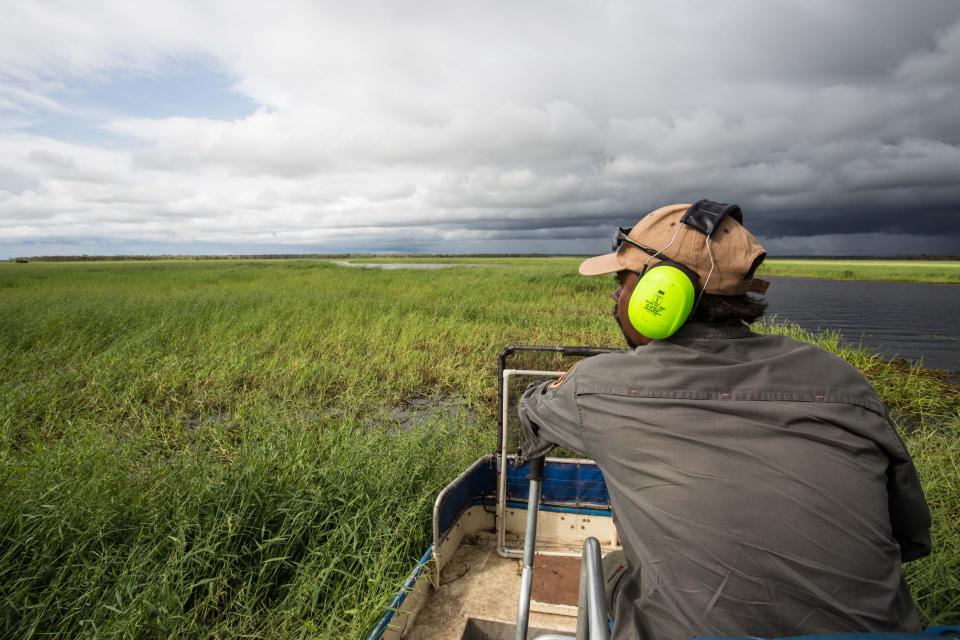
“Our work in Kakadu National Park (pictured above) has shown that the investment in the ongoing mimosa control and eradication program has avoided 58sq km of infestations – keeping the floodplains healthy and supporting special species like the magpie geese.
“Other examples include feral predator eradication, or putting in place predator-free fenced havens, which have saved species from extinction.
“In the end we must realise that, rather than endlessly expand these spaces with our limited resources, we should be splitting budgets across both expansion and management, so that there’s always adequate money for management.
“Otherwise we’re going to have to say goodbye to more of our precious species.”
The research has been published in Nature Sustainability (DOI: 10.1038/s41893-019-0275-5).
Media: Dr Vanessa Adams, v.adams@uq.edu.au, +61 406 592 198; Dominic Jarvis, dominic.jarvis@uq.edu.au, +61 413 334 924.
Related articles

Want to help Nepal recover from its deadly floods? Here’s what tourists need to know
