
Centre aims to find value in food waste
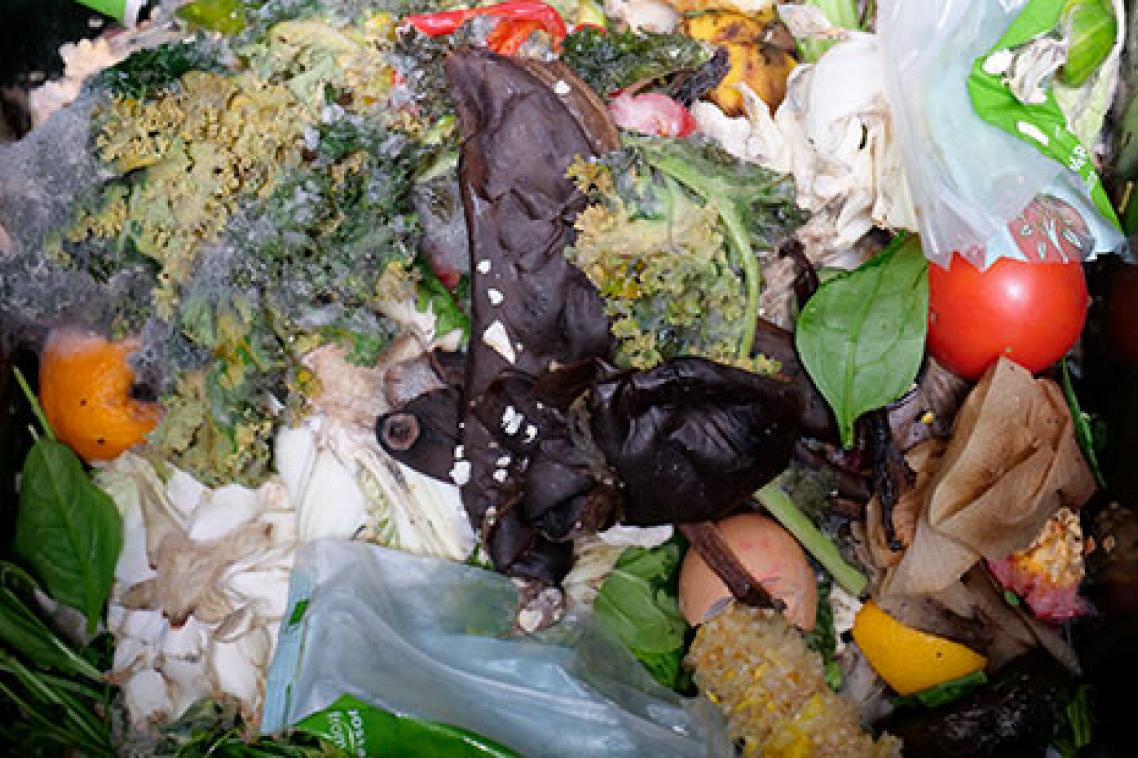
A new national program to transform food waste into valuable products is being led by a University of Queensland researcher.
Fight Food Waste Cooperative Research Centre (CRC) Transform program leader and chemical engineer Dr Paul Luckman said 42 per cent of the food produced in Australia went to waste, at a cost of $20 billion a year.
“The Transform program aims to identify and prioritise valuable products from waste streams and find the technology gaps and process limitations in transforming that waste,” Dr Luckman said.
“We’re already looking at a wide range of projects, from turning food waste into supplements to fuelling sustainable wastewater treatment with food waste.
“We’re hoping to save 87 gigalitres of water through recovery and reuse, reduce 30 million tonnes in food waste and save at least 44 million tonnes of greenhouse gases emitted over 10 years.”
The Transform program aims to create 5200 jobs in rural areas and save $600 million in waste produce and waste-handling costs.
The Transform program is part of a suite of initiatives driven by the Fight Food Waste CRC, with other work focussing on reducing supply chain losses and engaging with community and industry to educate and train workers and change household and business behaviours.
Fight Food Waste centre Chief Executive Officer Dr Steve Lapidge said the centre would improve the Australian food industry’s competitiveness, productivity and sustainability.
“We are working to deliver new sources of revenue and market growth for food companies, with less waste ending up in landfill and more food donated to feed hungry Australians.”
The Transform program is hosted by the UQ’s Dow Centre for Sustainable Engineering Innovation.
The Fight Food Waste centre has been allocated funding through the Department of Industry, Innovation and Science’s CRC Program until 2028.
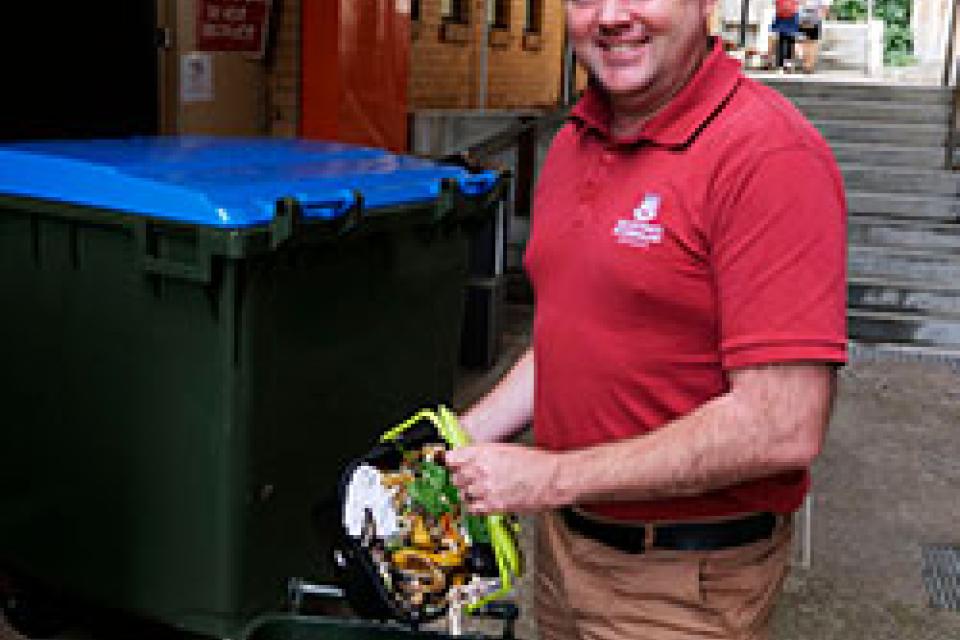
Above: Dr Paul Luckman
Media: Transform Program Leader Dr Paul Luckman, p.luckman@uq.edu.au, +61 (0) 402 466 787; Fight Food Waste CRC Communication Manager Tanya Wilkins, tanya@fightfoodwastecrc.com.au, +61 (0) 439 958 824; UQ Communications, Paige Ashby, p.ashby@uq.edu.au, +61 (0) 430 511 615.
Related articles

What makes a winning environmental campaign? We studied six decades of activism to find out
