
International recognition for architecture research
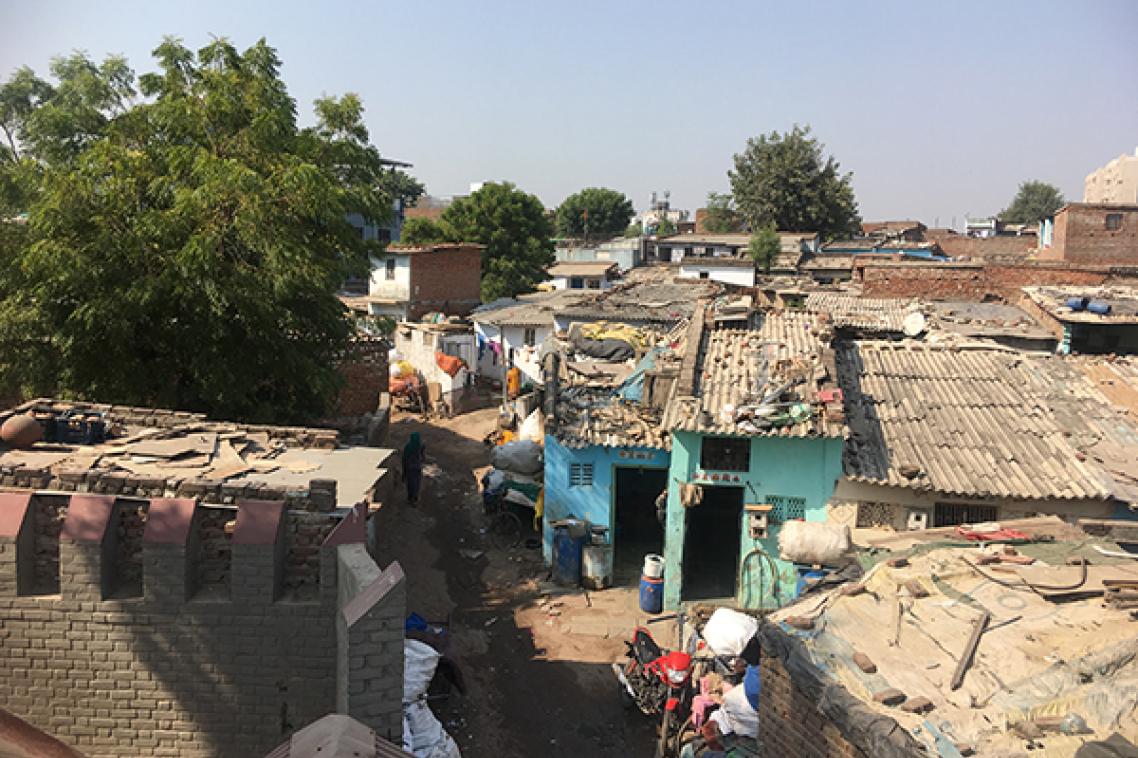
Attempts to redevelop informal settlements with apartment buildings could cause more harm than good in developing regions, according to a University of Queensland PhD architecture student.
Kali Marnane spent six months in India in an attempt to understand the origins and forms of informal settlements in Ahmedabad, the largest city in the state of Gujarat.
Ms Marnane said in Ahmedabad, government-led redevelopment plans aimed to replace existing informal settlements with western-style apartments of seven to eight storeys.
“In other redevelopment projects this model has provided essential utilities and greater security of tenure, however the socio-cultural and economic outcomes were often worse than in the informal settlements,” Ms Marnane said.
As part of her study, Ms Marnane developed strong relationships with local families while working in informal settlements, to observe the role self-built dwellings play in supporting people’s preferred ways of living.
“I found that their self-built dwellings had deeper underlying structures that supported traditional lifestyles,” Ms Marnane said.
“One family invited me to their ancestral village to celebrate the Navratri festival and I wrote my paper to share their story and connection to place.
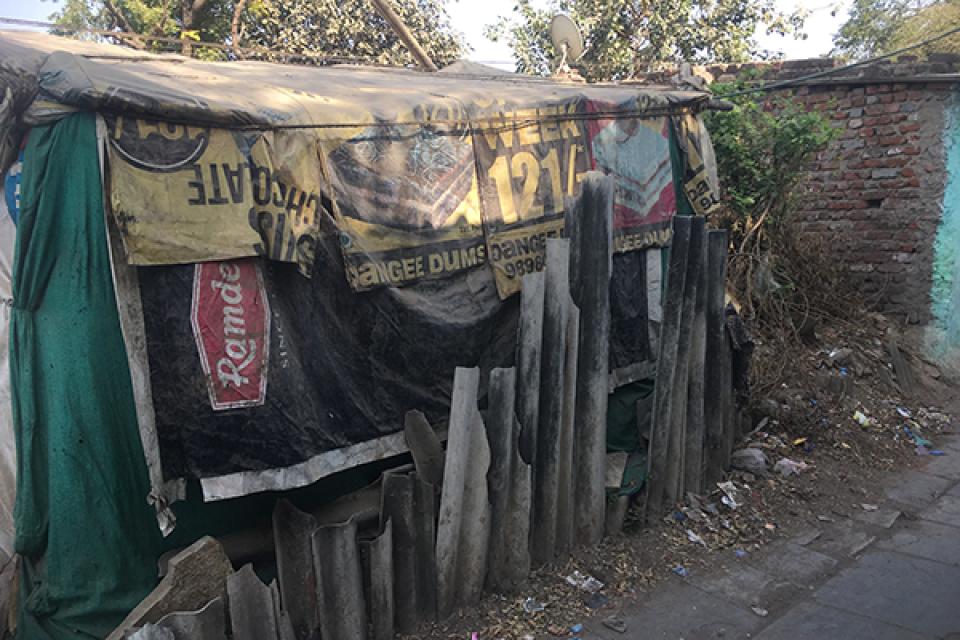
“If we listen to the stories of people whose lives are different to ours, we can make steps to move beyond assumptions and stereotypes and build resilient, inclusive communities.”
Ms Marnane’s study won an award for best student paper at the 50th Environmental Design Research Association conference.
“PhDs can be isolating and it can be hard to know if you’re on the right track or whether your work is any good, so this award is encouraging recognition,” Ms Marnane said.
“Ultimately, I hope the award will help my friend’s stories be heard by a wider audience.”
Senior Lecturer and Postgraduate Coordinator Dr Kelly Greenop said she was delighted to see Ms Marnane’s work receive international recognition at a significant conference.
“Kali's research combines her practise experience as an architect, the academic rigour brought through her HDR studies at UQ School of Architecture, and the lateral thinking and leadership required to tackle one of the world's most significant problems,” Dr Greenop said.
Media: Kali Marnane, kali.marnane@uqconnect.edu.au, EAIT Communications, Paige Ashby, p.ashby@uq.edu.au, +61 (0)430 511 615.
Related articles

UQ’s QARC wins at Engagement Australia Awards
