
New mining resettlement dataset sets the standard
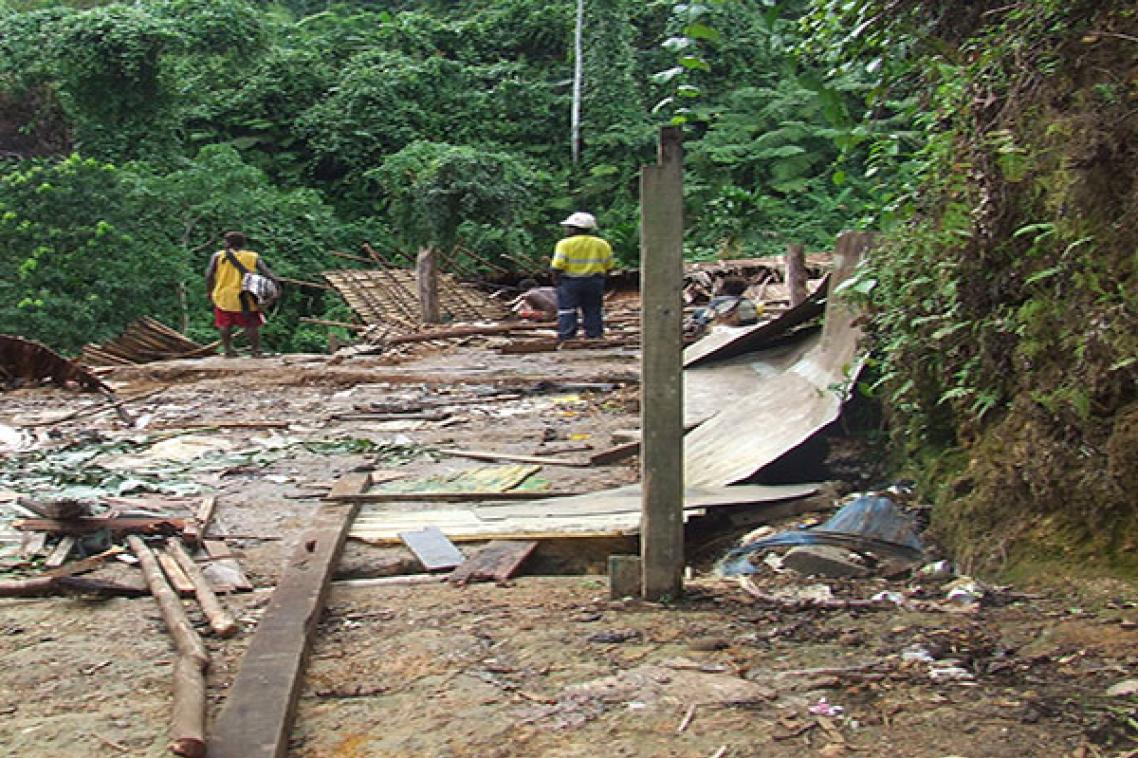
University of Queensland researchers have published the first ever global dataset of mining-induced displacement and resettlement, giving mining companies an evidence base to develop best practice.
It has been four years in development and contains 270 resettlement events.
The UQ Centre for Social Responsibility in Mining’s Professor John Owen said mining displacement events had been underreported in the past and collating the information for the dataset was challenging.
“The mining sector has a long history of relocating people but not much has been documented or made available to the public,” Professor Owen said.
“For over a decade there have been explicit requirements for companies to disclose resettlement plans but even today finding this information is tough going.
“To develop a global, public-facing dataset without a stock of public information has been difficult. We are keen to see companies increase their efforts and make more of this information available.”
Professor Owen said mining, unfortunately, often required the displacement of people and property.
“The emerging global standard is for companies to collaborate with the displaced to re-create a viable community. We continue to find the absence of public records to be surprising,” he said.
“Without this kind of information, we really aren’t in a position to know which mining projects displaced people, in which countries, how many people were affected, or whether or not the resettlement successfully met or exceeded the standard.
“This dataset increases awareness about mining-induced displacement, and hopefully it will be used by the industry and different stakeholder groups to improve practice and outcomes for those in the path.”
The dataset is part of the work of the Mining and Resettlement Consortium a university-industry partnership led by the Centre for Social Responsibility in Mining (CSRM).
“The consortium’s collaboration signals that mining companies recognise the need to understand how mining and resettlement risks are being managed and the need to develop social safeguards around those risks,” Professor Owen said.
The release of the information has been welcomed by industry partners and by the International Network on Displacement and Resettlement (INDR), which works in all aspects of development induced displacement.
Professor Owen said work on the dataset would continue.
“As it grows and more people use it, we will develop a better foundation for benchmarking.
“Resettlement and displacement is a difficult problem for the mining industry, and the Consortium is working to develop strategies for responding effectively.”
INDR President, Professor Theodore Downing recognized the dataset was a valuable resource.
“The UQ research team is at the cutting edge of a critical issue in mining.
“This is a fantastic service to our profession,” Professor Downing said.
Media: Gillian Ievers g.ievers@uq.edu.au, +61 (0)438 121757.
Related articles

Improving the safety of timber buildings – by setting them on fire
