
Through the eyes of animals
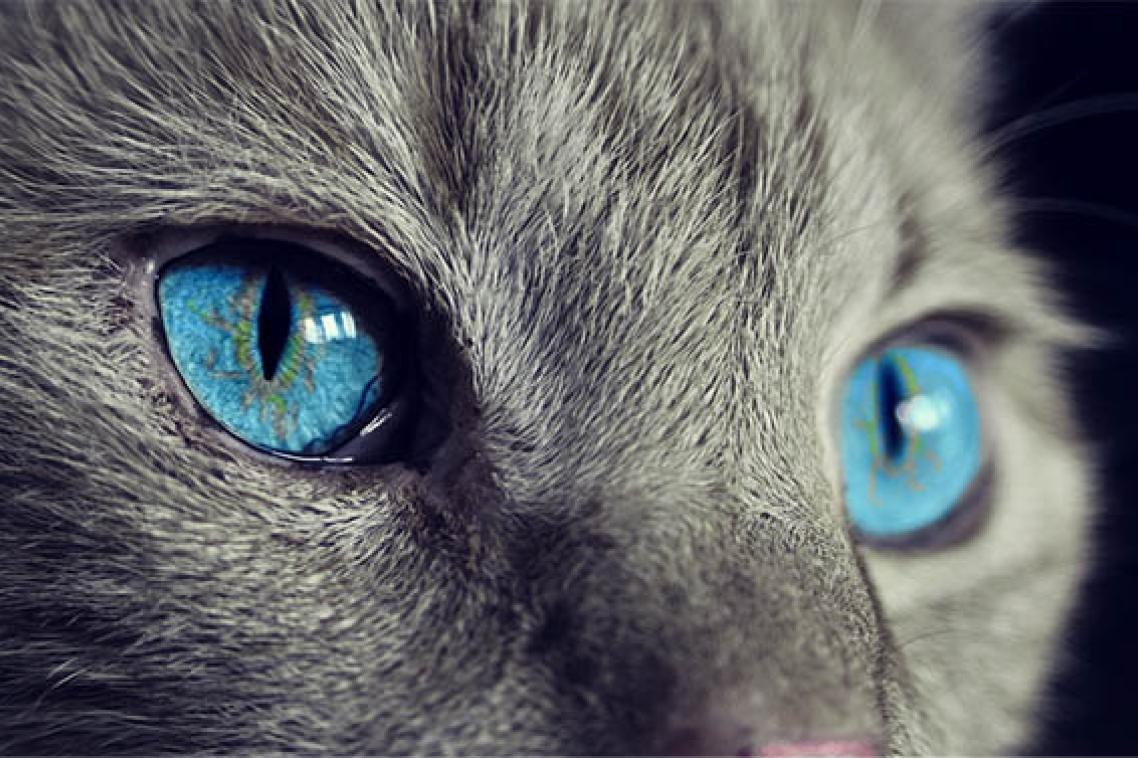
Humans are a step closer to seeing what the world looks like through the eyes of animals, thanks to technology developed by researchers from The University of Queensland and the University of Exeter.
PhD candidate Cedric van den Berg from UQ’s School of Biological Sciences said that, until now, it had been difficult to understand how animals saw the world.
“Most animals have completely different visual systems to humans, so for many species it is unclear how they see complex visual information or colour patterns in nature, or how this drives their behaviour,” he said.
“The Quantitative Colour Pattern Analysis (QCPA) framework helps solve that problem.
“The framework is a collection of software and hardware, combining innovative image processing techniques with digital visualisation and analytical tools.
“Collectively, these tools greatly improve our ability to analyse complex visual information through the eyes of animals.”
The QPCA is designed to analyse calibrated digital images from both aquatic and terrestrial habitats.
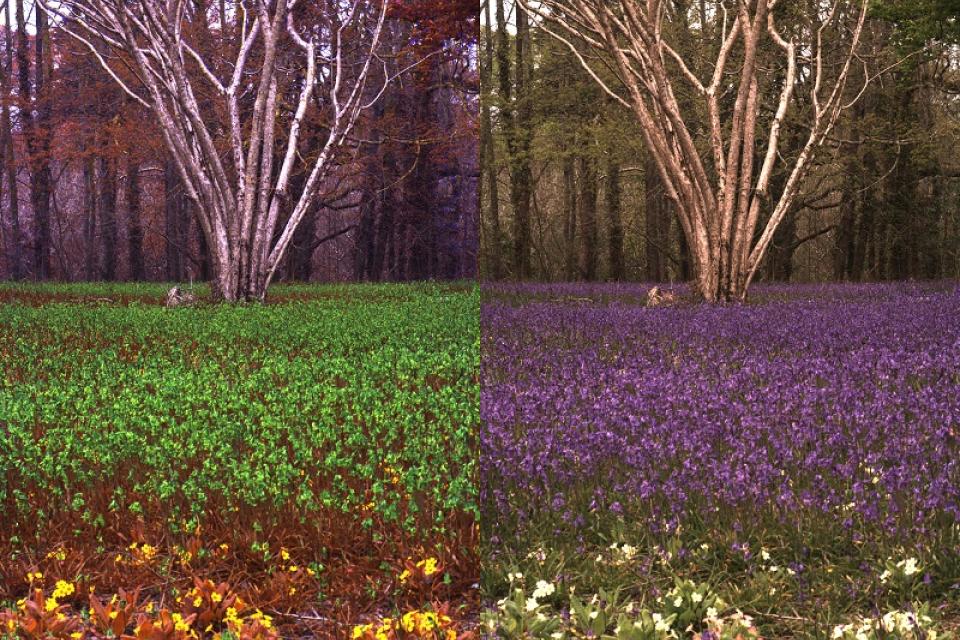
These images can be captured using both off-the-shelf cameras and purpose-built camera systems.
“You can even access most of its capabilities by using a $100 smartphone to capture footage,” Mr van den Berg said.
It took four years to develop and test the technology, including the development of an extensive interactive online platform to provide researchers, teachers and students with user guides and tutorials.
UQ’s Dr Karen Cheney said that the framework could be applied to a wide range of environmental conditions and visual systems.
“The flexibility of the framework allows researchers to investigate the colour patterns and natural surroundings of a wide range of organisms such as insects, birds, fish and flowering plants,” she said.
“For example, we can now truly understand the impacts of coral bleaching for camouflaged reef creatures in a new and informative way.
“We’re helping people to cross the boundaries between human and animal visual perception.
“It’s really a platform that anyone can build on, so we’re keen to see what future breakthroughs are ahead.”

The research is an international research collaboration between UQ and study co-leader Dr Jolyon Troscianko from the University of Exeter.
It is published in Methods in Ecology and Evolution (DOI: 10.1111/2041-210X.13328).
Image above left: A field of bluebells from the perspective of a human (left) and a bee (right).
Media: Cedric van den Berg, c.vandenberg@uq.edu.au, +61 421 722 613; Dr Karen Cheney k.cheney@uq.edu.au, + 61 410 126 716; Dominic Jarvis, dominic.jarvis@uq.edu.au, +61 413 334 924.
Topics
Related articles

The UQ lab where research becomes a creative experience
