
Pesticide mixtures a bigger problem than previously thought
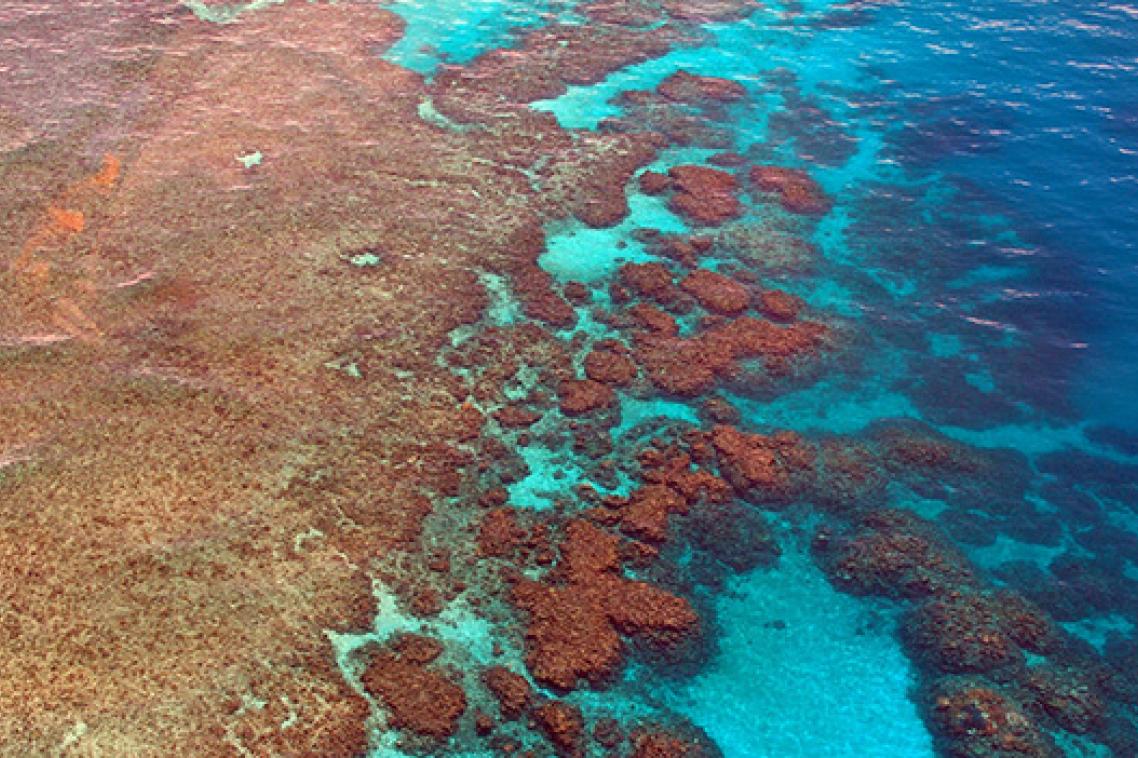
New research led by The University of Queensland has provided the first comprehensive analysis of pesticide mixtures in creeks and rivers discharging to the Great Barrier Reef.
UQ’s School of Earth and Environmental Sciences researcher Associate Professor Michael Warne conducted the study with the Queensland Department of Environment and Science, and analysed 2600 water samples from 15 waterways that discharge into the Great Barrier Reef lagoon over a four-year period.
“While I knew many water samples would contain mixtures, I was shocked to find that essentially every sample contained mixtures of pesticides,” Dr Warne said.
“We found 99.8 per cent of the samples contained pesticide mixtures with up to 20 pesticides in any single water sample.
“The issue with having mixtures of pesticides is that as the number of pesticides increases the impact to aquatic ecosystems generally increases.
“This work strongly supports the inclusion of the pesticide reduction target in the Reef 2050 Water Quality Improvement Plan which aims to protect at least 99 per cent of aquatic organisms at the mouths of rivers from the adverse effects of all pesticides.”
“We are doing just that with other partners including Farmacist, James Cook University and the Department of Environment and Science through Project Bluewater which is funded by the Great Barrier Reef Foundation,” he said.
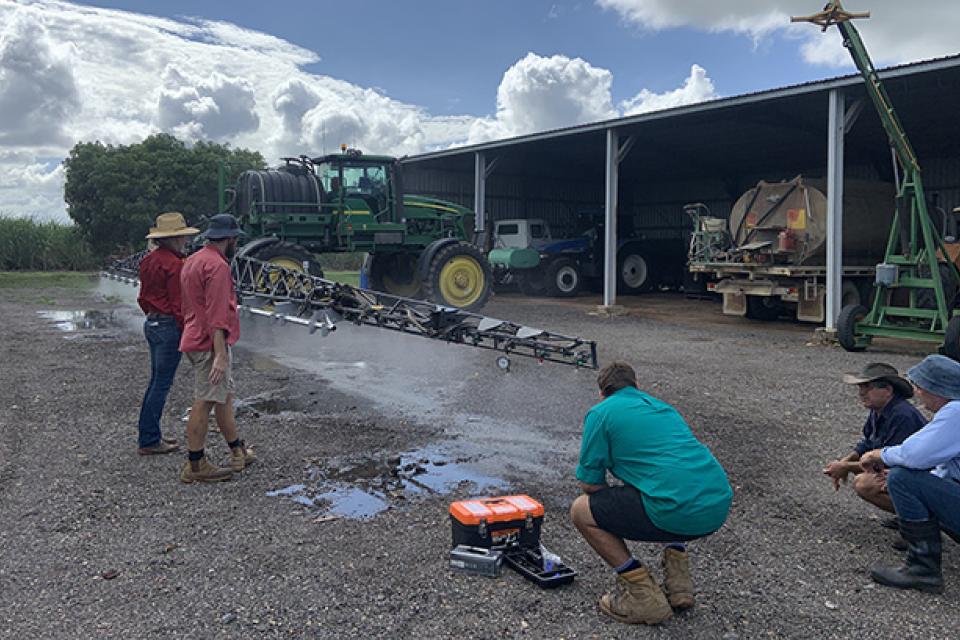
“This project is working with 70 sugar cane farmers in the Barratta Creek and Plane River catchments to improve their pesticide management and application, upgrade equipment, reduce pesticide use and switch to using lower risk pesticides.
“We have found the farmers involved to be very eager to engage with the science – they have embraced the challenge and are making significant steps toward improvement.
“We are looking to expand this project to include considerably more farmers in more catchments and make more rapid progress in reducing pesticide losses to waterways.
“There is always hope, but this study reveals the pesticide situation is more complex than we previously realised.”
The research was published in the journal Environmental Pollution (DOI: 10.1016/j.envpol.2020.114088).
Image above: A spray rig actually being tested for flow rate and coverage. (Credit: Farmacist)
Media: Dr Michael Warne, michael.warne@uq.edu.au, +61 424 133 053; Dominic Jarvis, UQ Communications, dominic.jarvis@uq.edu.au, +61 413 334 924.
Related articles

UQ rises 22 places in 2027 QS Sustainability Rankings
