
Increased exercise could help reduce heavy periods
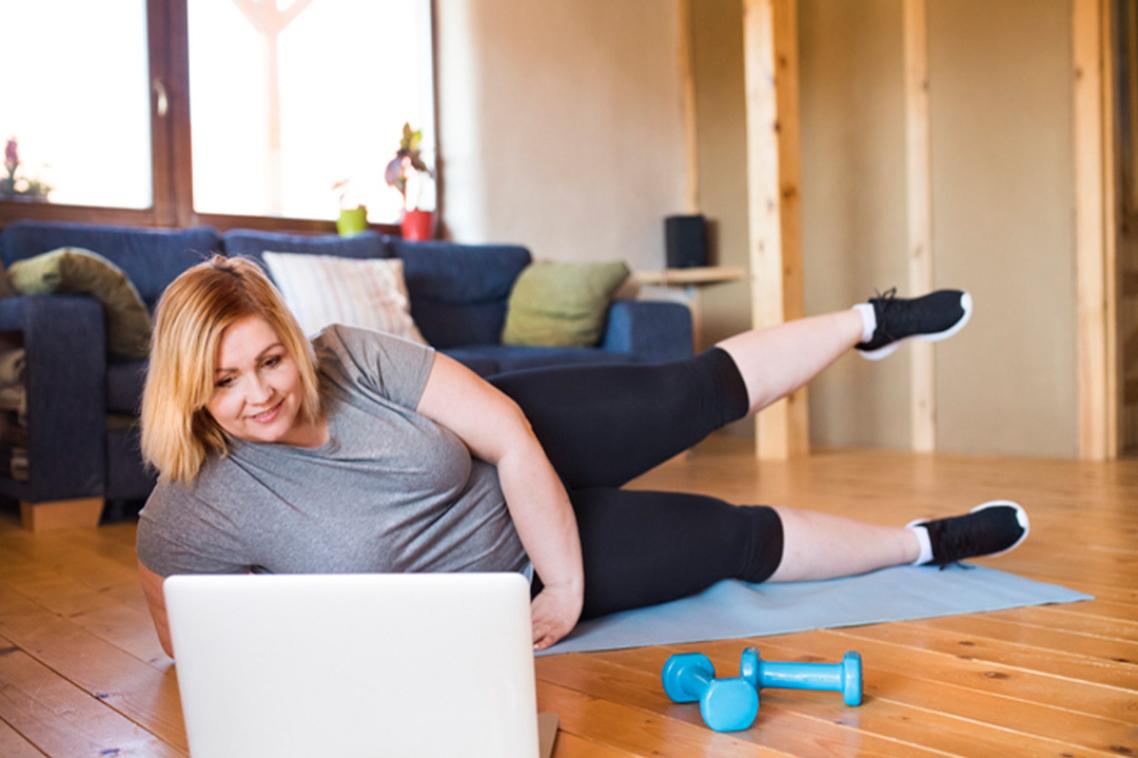
(Photo credit: i-stock. )
Increased physical activity could reduce the chance of heavy menstrual periods in women who are overweight or obese, a University of Queensland-led study has found.
Dr Gabriela Mena, from UQ’s School of Human Movement and Nutrition Sciences, examined the associations between physical activity and body mass index with irregular periods and heavy menstrual bleeding in more than 10,000 young Australian women.
“Women who were overweight or obese had higher odds of both irregular periods and heavy menstrual bleeding than women who were underweight or of normal weight,” Dr Mena said.
“Women who were highly active had 10 per cent lower odds of heavy menstrual bleeding than women who reported no physical activity.
“Among women who were obese, high levels of physical activity were associated with a 19 per cent reduction in the odds of heavy menstrual bleeding.
“Findings from this study emphasise the importance of healthy body mass index in the management of heavy menstrual bleeding.”
Dr Mena said physical activity could be a cheap and easy strategy for reducing heavy menstrual bleeding in young adult women.
“Physical activity is not usually a first line treatment for menstrual problems, but it is a key factor in the maintenance of healthy body mass index in young women,” she said.
“Simple activities such as walking, swimming and cycling are affordable and feasible for most women and may help with menstrual problems, as well as with the prevention and management of comorbidities that are common in women who are overweight or obese such as hypertension, diabetes and heart disease.”
Dr Mena said most studies on relationships between physical activity and menstrual problems have focussed on female athletes, and there have been few population-based studies.
“We examined 10,618 participants in the Australian Longitudinal Study of Women’s Health (ALSWH) over 15 years, making this the first study that has examined these associations prospectively,” Dr Mena said.
“Participants reported their physical activity levels and the frequency of irregular periods and heavy menstrual bleeding in surveys every three years from 2000 to 2015.”
The study was co-authored by Professor Wendy Brown and Dr Gregore Iven Mielke.
The research was published in Human Reproduction.
The research on which this press release is based was conducted as part of the Australian Longitudinal Study on Women’s Health by UQ and the University of Newcastle.
We are grateful to the Australian Government Department of Health for funding and to the women who provided the survey data.
Topics
Related articles

Vaccine platform receives funding to help protect against emerging mosquito-borne disease threats
