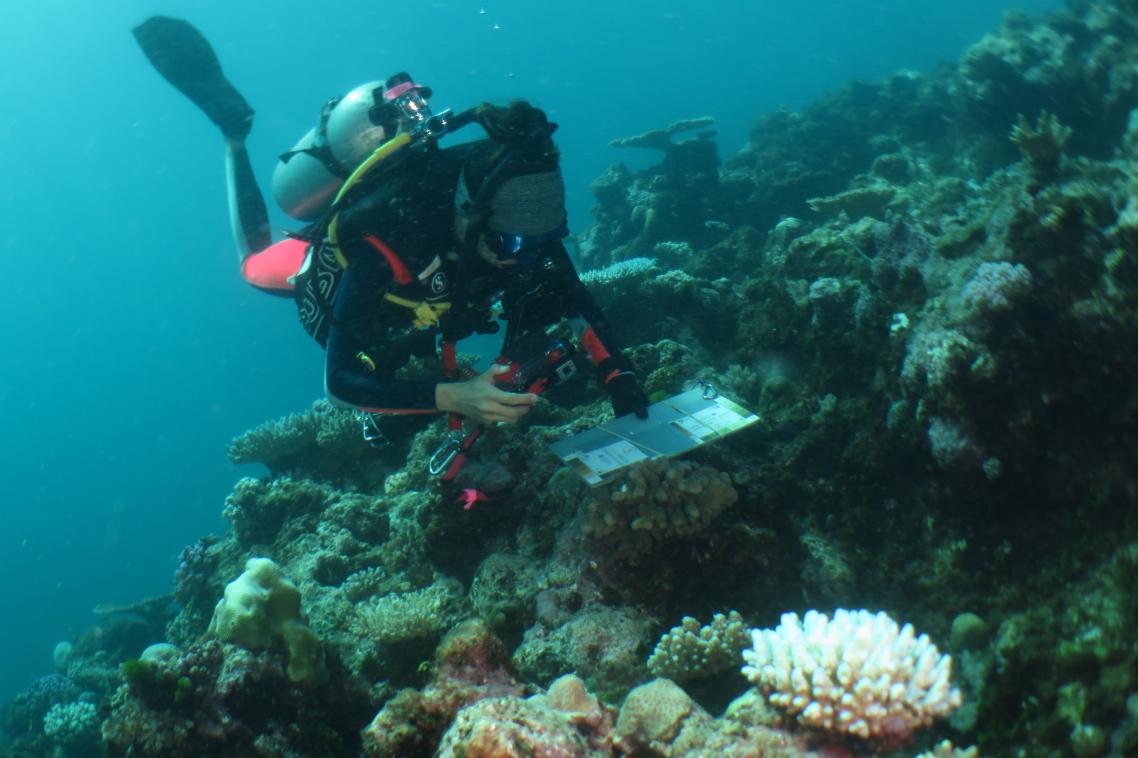
Genetics provide key to fight crown-of-thorns starfish
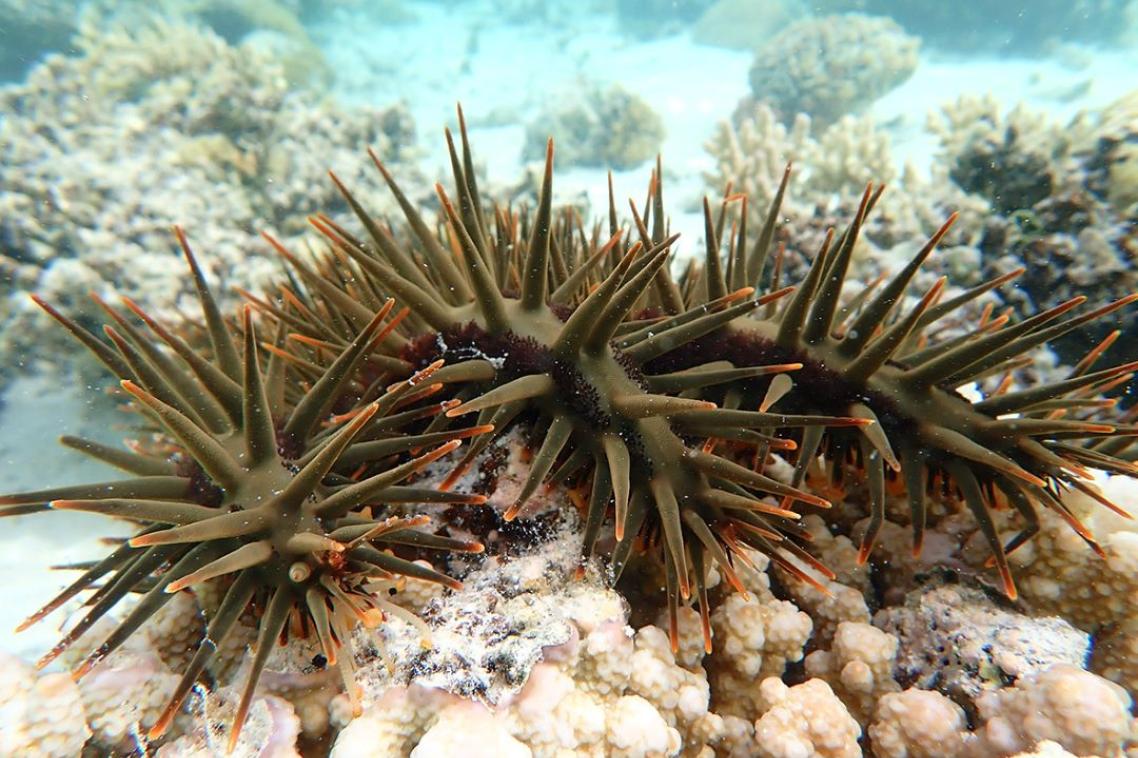
(Photo credit: Sandie Degnan. )
Scientists are one step closer to combatting coral-destroying crown-of-thorns starfish, following a University of Queensland study into the pest’s genetics.
In a world first study, University of Queensland PhD candidates Marie Morin and Mathias Jönsson analysed the genetics of the toxic coral-eating invertebrates found on the Great Barrier Reef.
Key points
- First time crown-of-thorns starfish gene function has been analysed in the wild
- Study gives insights into seasonal variations and breeding behaviour
- Information could be used to develop molecular tools to disrupt breeding patterns to prevent crown-of-thorns starfish outbreaks
“By understanding how crown-of-thorns (COTS) starfish genes work, we can unlock the mechanisms behind their key behaviours and find ways to stop them breeding,” Ms Morin said.
“In this study we looked at ‘gene expression’, which is the process by which the information encoded in a gene is used to create a functional gene product, such as a protein or RNA.
“We identified more than 2000 protein-coding genes which changed significantly between summer and winter.”
The research team also found ways to isolate the genes that communicate during the starfish’s reproduction process.
“This is a promising sign because if we can find ways to disrupt this communication genetically, it could stop the starfish reproducing,” Ms Morin said.
The next step in the research will involve further genetic analysis and potentially the development of natural pest control measures on the Great Barrier Reef.
Senior author Professor Bernard Degnan said analysing wild starfish, as opposed to captured starfish, was critical.
“Analysing marine animals in a lab can cause changes to the animal and its functional genetics,” he said.
“By capturing crown-of-thorns starfish in the deep heart of the Great Barrier Reef (GBR), we were able find out what’s really happening in wild populations.”
GBR Foundation COTS Control Innovation Program Director Dr Mary Bonin said while crown-of-thorn starfish were native to the Great Barrier Reef, outbreaks were a major threat and protecting coral was critical for the Reef’s long-term health and resilience.
“This exciting research paves the way for the development of new control tools to help address this threat to reef health,” Dr Bonin said.
The project was supported by an ARC Linkage grant to UQ and partners The Great Barrier Reef Foundation and the Association of Marine Park Tourism Operators Limited (AMPTO).
The research is published in PLOS Biology.
Images available via Dropbox.
Related articles

Superconducting germanium made with industry-compatible methods