
Caterpillar venom study reveals toxins borrowed from bacteria
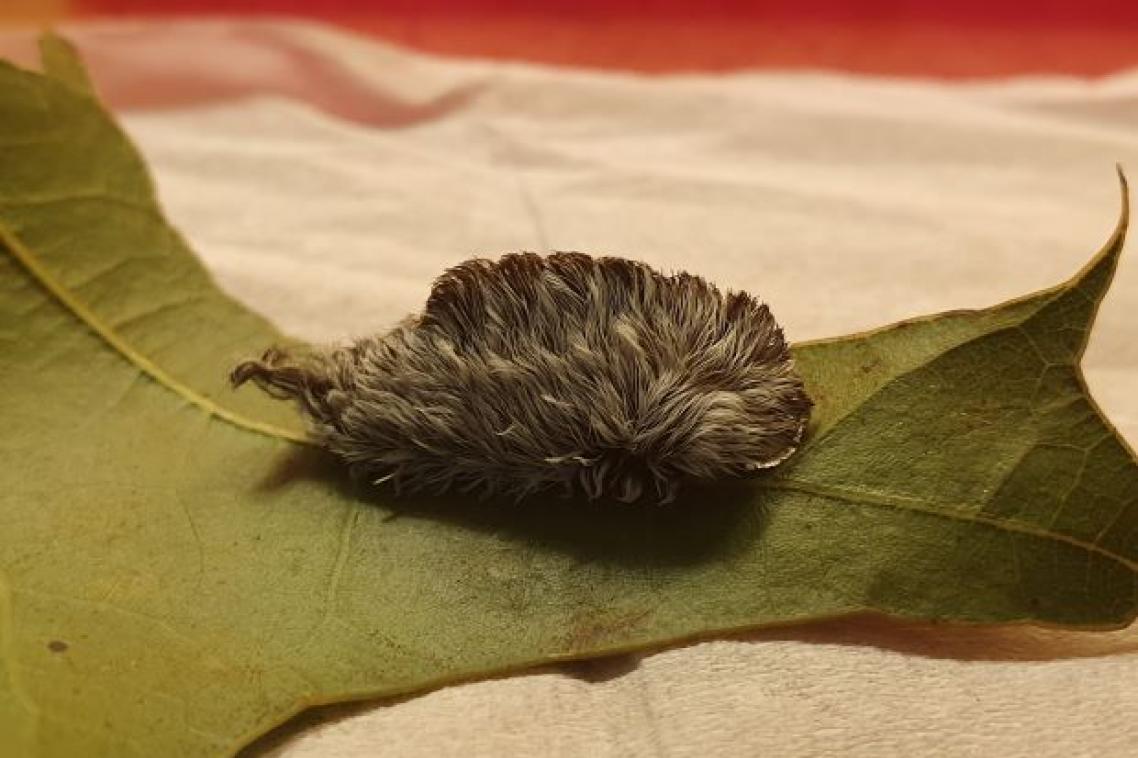
Researchers at The University of Queensland have discovered the venom of a notorious caterpillar has a surprising ancestry and could be key to the delivery of lifesaving drugs.
A team led by Dr Andrew Walker and Professor Glenn King from UQ’s Institute for Molecular Bioscience found toxins in the venom of asp caterpillars punch holes in cells the same way as toxins produced by disease-causing bacteria such as E. coli and Salmonella.
“We were surprised to find asp caterpillar venom was completely different to anything we had seen before in insects,” Dr Walker said.
“When we looked at it more closely, we saw proteins that were very similar to some of the bacterial toxins that make you sick.”
This type of bacterial toxins bind themselves to the surface of cells and assemble into donut-like structures that form holes.
“It’s similar to the mechanism of box jellyfish venom – and as we’ve now found – caterpillar venom too,” Dr Walker said.
“The venom in these caterpillars has evolved via the transfer of genes from bacteria more than 400 million years ago.”
The asp caterpillar (Megalopyge opercularis, larva of a moth) is native to North America, where it is often found in oak or elm trees.
It might look innocuous, but its long hair-like bristles conceal venomous spines that can deliver an excruciating sting likened to touching burning coal or blunt force trauma – often sending victims to hospital.
“Many caterpillars have developed sophisticated defences against predators, including cyanide droplets and defensive glues that cause severe pain, and we’re interested to understand how they are all related,” Dr Walker said.
“Venoms are rich sources of new molecules that could be developed into medicines of the future, pesticides, or used as scientific tools.
“IMB’s investigations into the venom of snakes and spiders have already demonstrated their amazing potential, but caterpillar venoms are particularly understudied.
“Toxins that puncture holes in cells have particular potential in drug delivery because of their ability to enter cells.
“There may be a way to engineer the molecule to target beneficial drugs to healthy cells, or to selectively kill cancer cells.”
This research was published in Proceedings of the National Academy of Sciences (PNAS).
Images available via Dropbox
Media: IMB Communications, communications@imb.uq.edu.au, +61 457 576 843.
Related articles

From cooked breakfast to their own TV, aged care residents need to watch for extra fees
