
First IVF kangaroo embryo a major leap for marsupial conservation
Key points
- A UQ-led team has successfully produced the first kangaroo embryos through in vitro fertilisation.
- The finding could go on to help save other marsupial species from extinction.
- Researchers are hopeful the birth of a marsupial through IVF could become a reality within a decade.
A University of Queensland-led team has successfully produced the first kangaroo embryos through in vitro fertilisation (IVF), a crucial jump towards saving other marsupial species from extinction.
Lead researcher Dr Andres Gambini said the groundbreaking achievement provided valuable insights into marsupial reproduction and the potential of assisted reproductive technologies for conservation.
“Australia is home to the greatest diversity of marsupial fauna on the planet but it also has the highest mammal extinction rate,” Dr Gambini said.
“Our ultimate goal is to support the preservation of endangered marsupial species like koalas, Tasmanian devils, northern hairy-nosed wombats and Leadbeater's possums.”
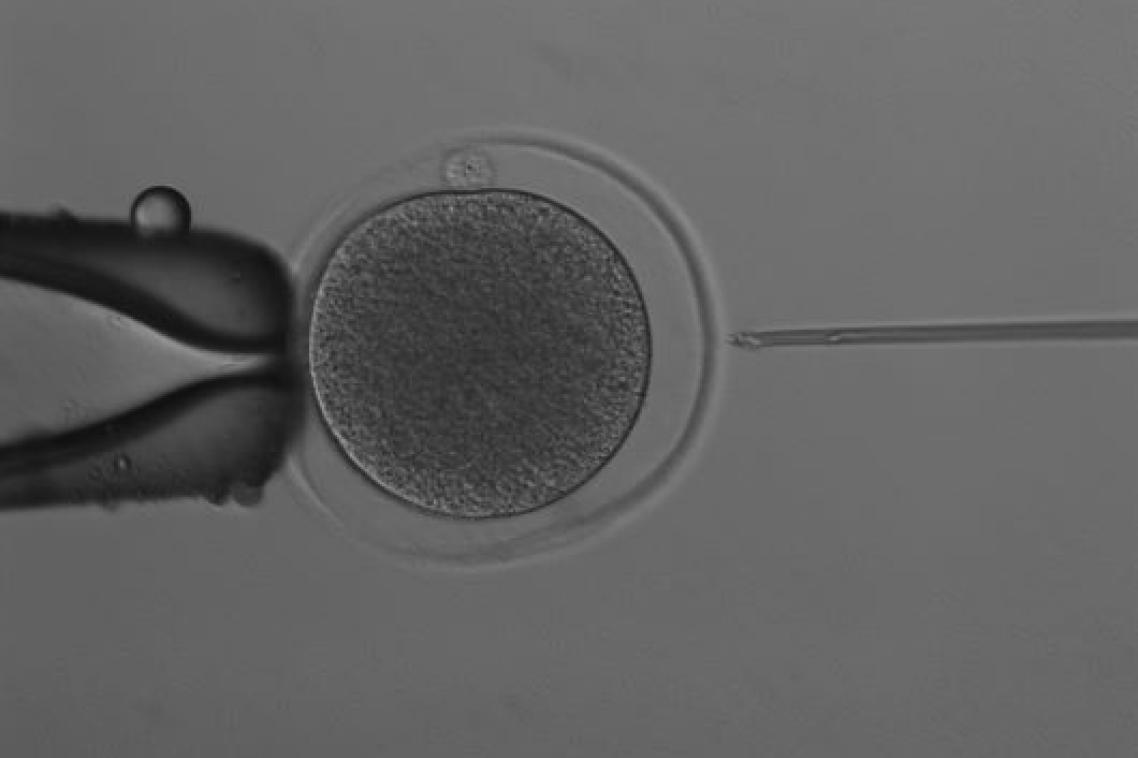
The trial assessed the development of kangaroo eggs and sperm in the laboratory before embryos were produced by intracytoplasmic sperm injection (ICSI), a technique that involves injecting a single sperm directly into a mature egg.
“Because eastern grey kangaroos are overabundant, we collected their eggs and sperm for use as a model to adapt the embryo technologies already applied to domestic animals and humans,” Dr Gambini said.
“Access to marsupial tissues is challenging as they are less studied than domestic animals despite being iconic and integral to Australian biodiversity.
“We are now refining techniques to collect, culture and preserve marsupial eggs and sperm.
“By developing preservation methods, we aim to safeguard the genetic material of these unique and precious animals for future use to ensure their conservation.
“While it’s difficult to provide an exact timeline, with sustained collaboration, funding and continued technical advancements, we are hopeful the birth of a marsupial through IVF could become a reality within a decade.
“This success with kangaroo embryos is deeply fulfilling, representing the culmination of years of training, research and collaboration.”
The study involved researchers at UQ's School of Agriculture and Food Sustainability, School of the Environment and School of Veterinary Science including PhD candidate Patricio D. Palacios and was supported by a Hidden Vale Research Station Conservation Grant and the RSPCA.
The research was published in Reproduction, Fertility and Development and presented at International Embryo Technology Society (IETS) 2025 Annual Conference.
Related articles

UQ researchers send an unblockable message using gravity
