
Turning off the kitten tap with education and assistance
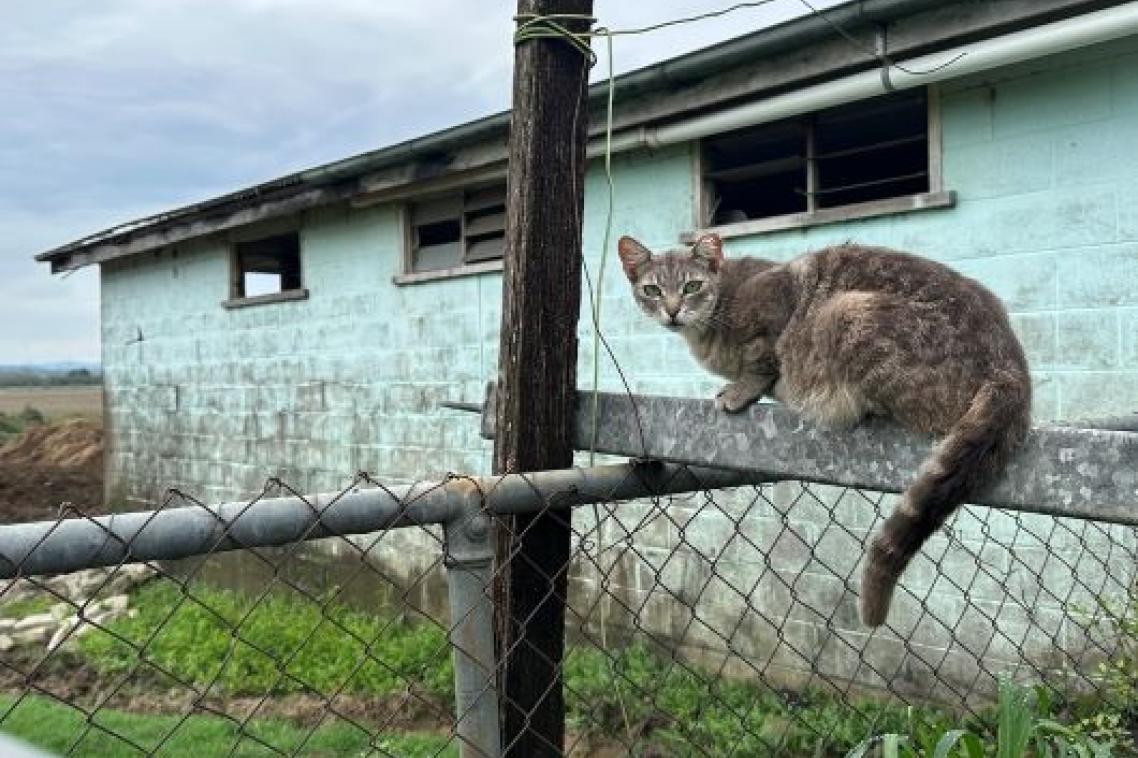
University of Queensland research has found evidence-based non-lethal cat management strategies save lives, reduce stray populations and ease the emotional toll on staff involved in euthanasia.
Emeritus Professor Jacquie Rand from UQ’s School of Veterinary Science said cats were more likely to be euthanised because they were homeless than to die of any single disease because current management practices in Australia were ineffective.
“We need a better solution for cats and animal management staff who are at risk of developing mental health issues from euthanising a continuous stream of healthy cats and kittens,” Emeritus Professor Rand said.
Co-author Dr Rebekah Scotney said the study found free cat desexing, microchipping and registration programs were an effective solution.
“One local government-funded program that ran for 8 years, reduced cat impoundments by 66 per cent, euthanasia by 82 per cent, and complaints about nuisance animals by 36 per cent,” Dr Scotney said.
Current management practices in Australia require owners to confine, desex, microchip and sometimes register their cats to avoid a fine.
Emeritus Professor Rand said the approach failed to address the systemic reasons why cats were wandering and breeding in urban areas.
“People in disadvantaged communities where free-roaming cats are most prevalent often can’t afford desexing and containment costs,” she said.
“By removing financial barriers and penalties, communities are more likely to work with authorities and alert them to strays without fear of fines or the cat they care for being euthanised.
“The Community Cat Programs in the study showed many people caring for stray cats will take ownership if they’re supported to get them desexed, microchipped and registered.”
Research co-author Jennifer Cotterell from the Australian Pet Welfare Foundation (APWF) previously worked as a council animal management officer where she said her only option was to take stray cats to a pound up to 5 times a day.
“Many of these cats were healthy, happy, tame cats who were put to sleep because there was a very low reclaim rate at the pound,” Ms Cotterell said.
“The turning point for me was finding a beautiful little kitten and my co-worker sat in the pound car park calling everyone we knew trying to rehome it but we couldn’t and it was euthanised.
“I told my boss I couldn’t work like that anymore and started developing a pilot program to trial a different approach.
“APWF developed a program and secured a Queensland government research permit to desex and microchip stray cats and return them to the compassionate people caring for them.
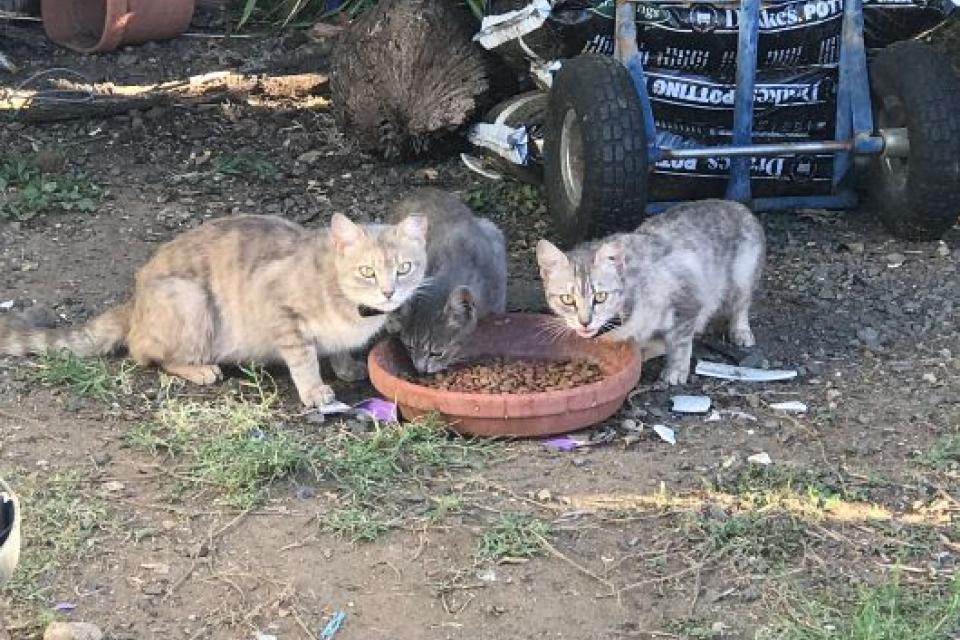
Stray cats whose lives were spared thanks to a Community Cat Program.
“These cats are often timid and shy and are at high risk of euthanasia in a shelter.
“Free-roaming cats in urban areas need to be managed differently to other feral cats who don’t rely on people for food and care.
“Changes in state and local government laws and bylaws are needed so these effective programs that allow stray cats to be desexed can be expanded.
“This will turn off the tap of unwanted kittens being born to be euthanised or become strays.”
This research was published across two papers in Animals:
Topics
Related articles

UQ researchers send an unblockable message using gravity
