
Study seeking to identify early indicators of preterm birth
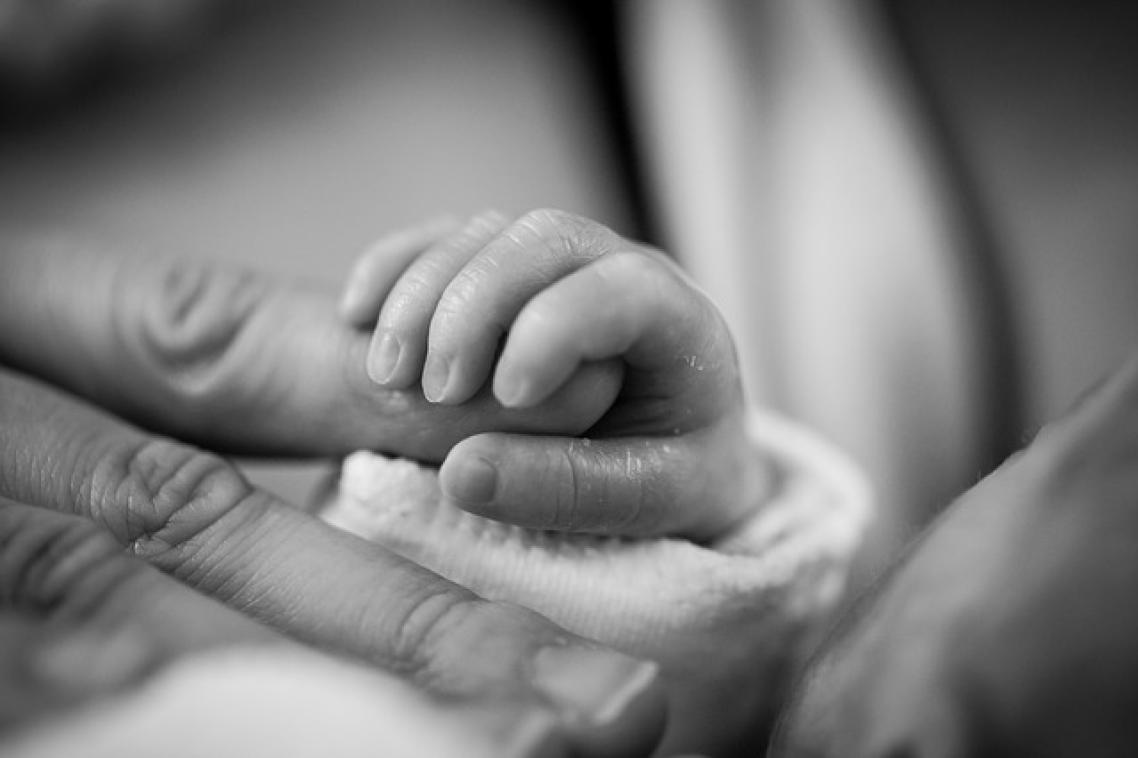
A new study could pave the way for a simple blood or saliva test to predict whether an expectant mother is likely to have a preterm birth.
Dr Carlos Salomon from The University of Queensland and Dr Ramkumar Menon from the University of Texas will investigate early indicators of premature delivery.
The 12-month project has been funded by the Bill and Melinda Gates Foundation.
Dr Salomon of UQ’s Centre for Clinical Research (UQCCR) said the placenta releases specific biomarkers into the mother’s blood stream during pregnancy.
“We know the placenta is trying to pre-warn the body by sending out signals, but we need to understand how and why the message is being sent,” Dr Salomon said.
“We have already identified a placental signal so we will test 100 patient samples and classify women as high or low risk and monitor their pregnancy.

“Once we know the pregnancy outcomes we can determine if our predictions, based on the panel of biomarkers identified, were accurate.”
Dr Salomon said the biomarkers being investigated in the study are microRNAs, tiny molecules which regulate the amount of protein a gene can produce.
“These biomarkers can be detected in blood, urine or saliva which means any potential test would be non-invasive and pose no threat to the pregnancy,” he said.
"By identifying which women are at risk, we hope to then be able to better understand what causes preterm delivery.”
Dr Salomon is a Senior Lions Medical Research Foundation Fellow and Head of the Exosome Biology Laboratory (EBL) at UQCCR.
Media: Dr Carlos Salomon, c.salomongallo@uq.edu.au, +61 7 334 65418; Bernadette O’Connor, bernadette.oconnor@uq.edu.au, +61 7 3365 5118, 0431 533 209.
Related articles

Vaccination has little impact on post-COVID smell and taste issues
