
Destruction of Queensland’s threatened forests gathers pace
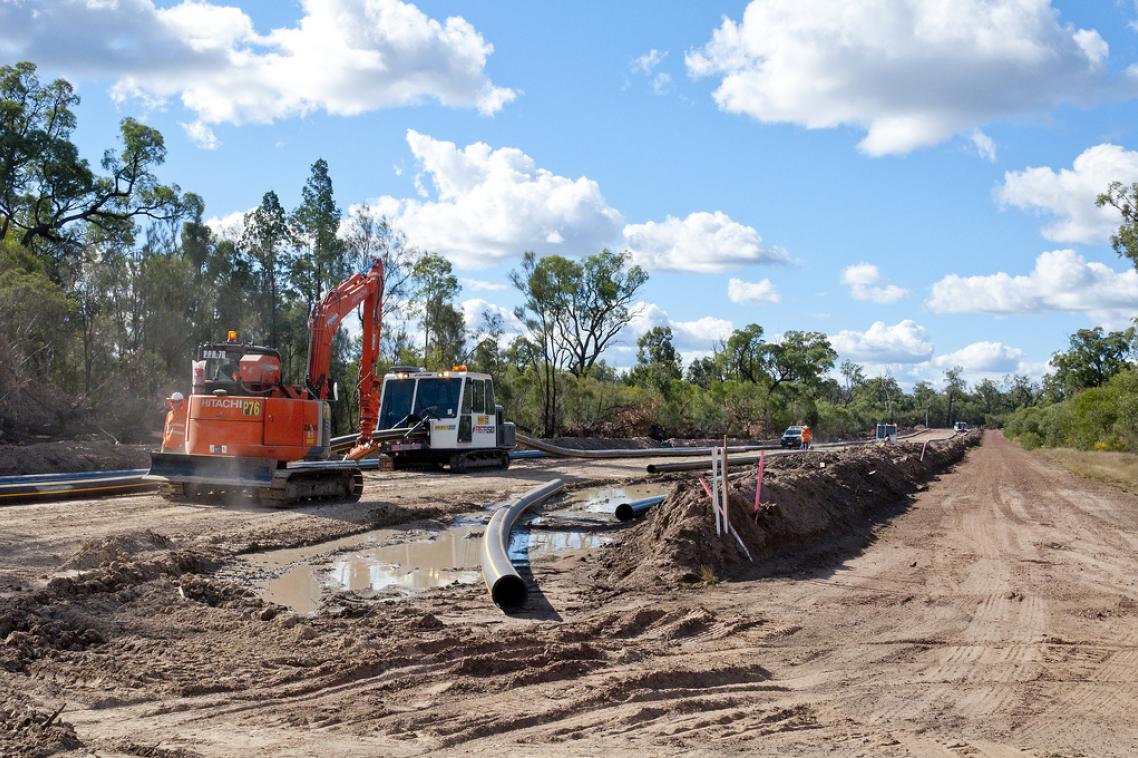
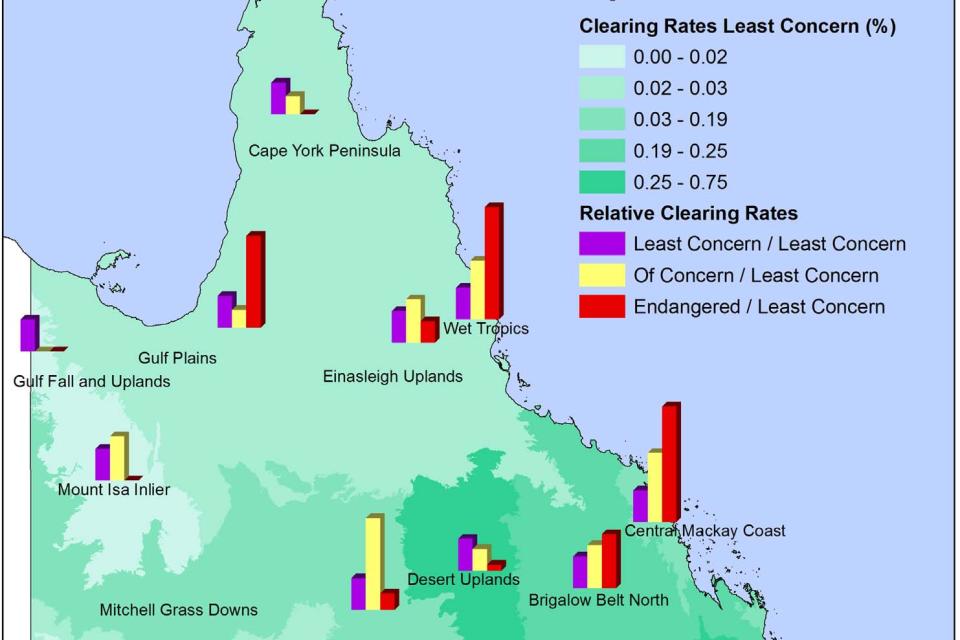
Laws intended to protect Queensland’s most-threatened forests are failing, with the most vulnerable forests falling even faster than other forests.
University of Queensland researchers say despite regulation intended to protect the state’s most threatened forests, they are being cleared at almost three times the rate of other forests.
Associate Professor Jonathan Rhodes at the Australian Research Council Centre of Excellence for Environmental Decisions and the School of Earth and Environmental Sciences said the regulation to protect foests is flawed.
"There is evidence government regulation helped lower clearing rates between 2000 and 2012, but the most at-risk forests are still not well protected.”
“The change of government in Queensland in 2012 made this worse, when regulations were eased and clearing increased dramatically.”
Dr Rhodes said a potential solution was to build explicit forest retention targets into state land-clearing laws.
“If the Queensland Government is serious about effective land-clearing laws, they should introduce targets for our most-threatened forests, beyond which no further forest loss is permitted,” he said.
“This has been implemented in other countries and could be combined with spatially targeted enforcement and incentive strategies.
“Negotiating environmental targets is difficult, but the alternative really is unthinkable.”
The study is published in Biological Conservation. Dr Rhodes is a researcher at UQ’s School of Earth and Environmental Science.
Media: Associate Professor Jonathan Rhodes, j.rhodes@uq.edu.au, +61 7 3365 6838; ARC CEED Communications, Casey Fung, c.fung@uq.edu.au. +61 433 638 643.
Related articles

Supercharged 'molecule highway' could transform industrial processing
