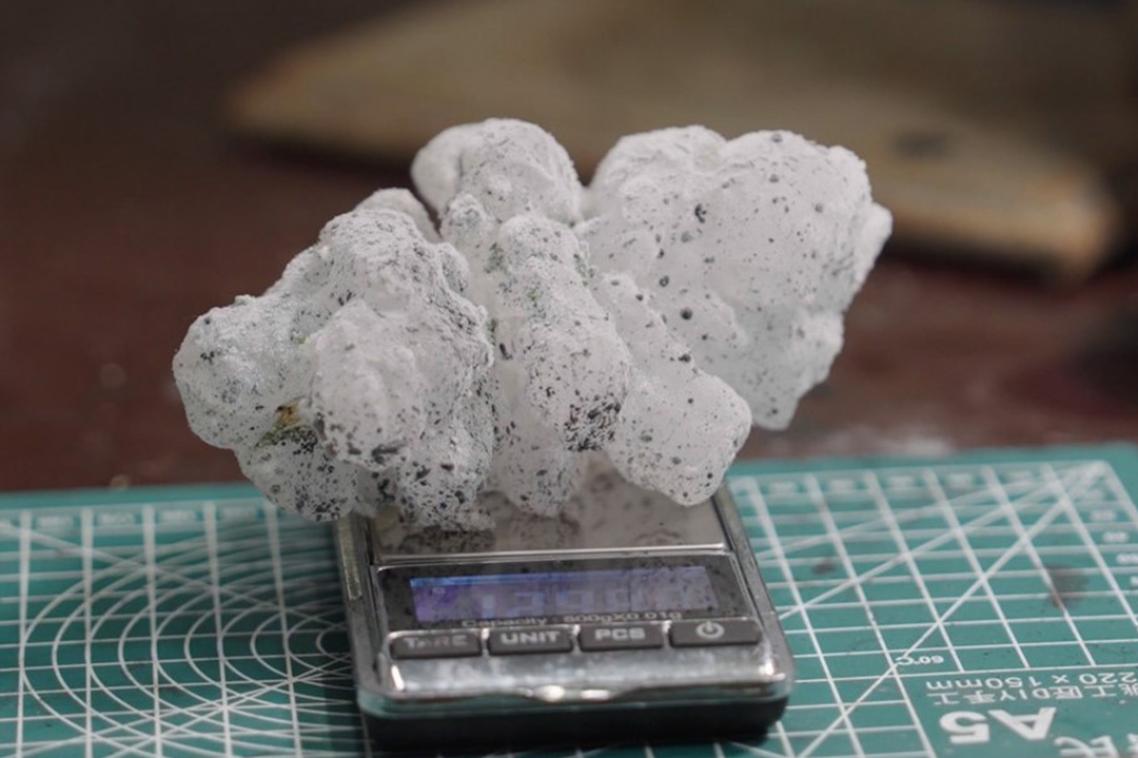
Hailstorm forecasting set to improve with new data gathering project
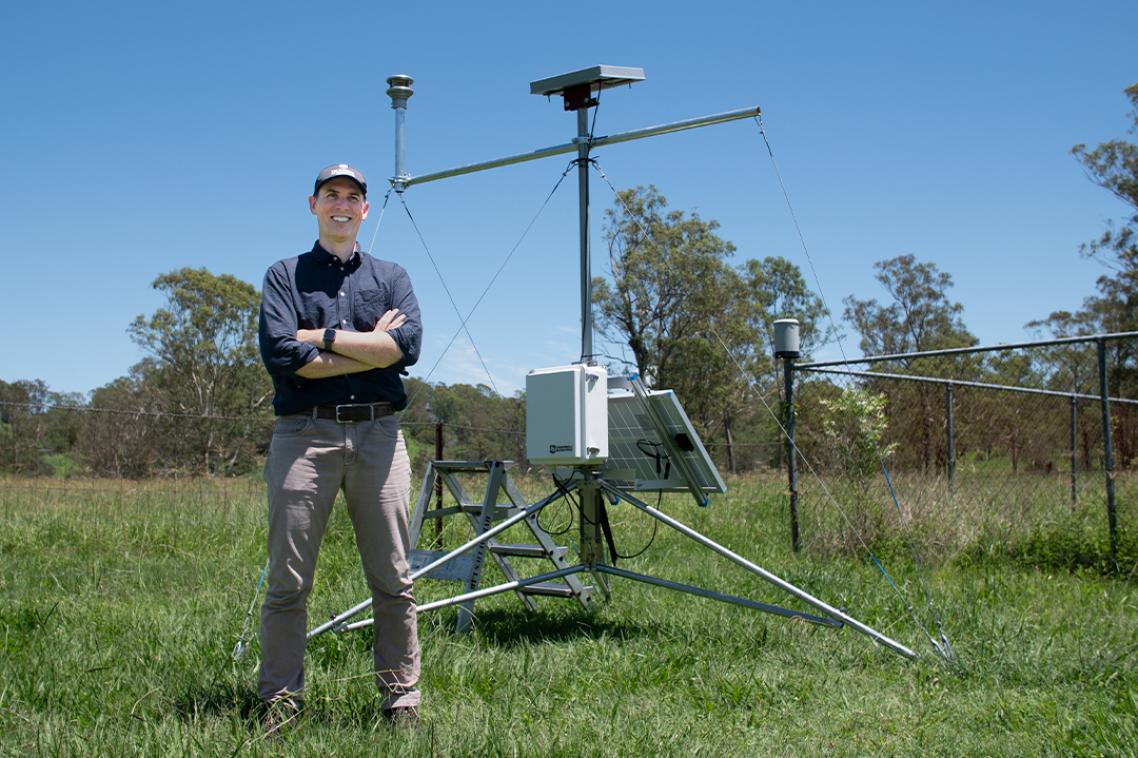
Associate Professor Matthew Mason at one of the HailNet monitoring stations at UQ's Pinjarra Hills Research Precinct.
(Photo credit: The University of Queensland. )
Key points
- A research project is set to collect hail and wind data from 10 hail-prone locations across South East Queensland over the next 7 years.
- The monitoring stations are urban, semi-rural and rural to assess hail damage on infrastructure including solar panels and different types of crops.
- The data will help researchers better understand the relationship between hail detected by radar in the sky and what hits the ground.
A unique network of monitoring stations is being installed across some of Australia’s most hail-prone locations this storm season, to better understand extreme weather events.
HailNet is gathering data from 10 urban and rural sites as part of a project by University of Queensland researchers, the Bureau of Meteorology (BOM) and the Queensland Farmers’ Federation (QFF).
Associate Professor Matthew Mason from UQ’s School of Civil Engineering said the 7-year monitoring study aims to fill gaps in knowledge about how hail behaves.
“Unlike other meteorological hazards like rainfall and wind, hail isn’t currently systematically monitored at ground level,” Dr Mason said.
“But hailstorms regularly damage vehicles, buildings, infrastructure and crops, particularly in South East Queensland communities.
“Even small hailstones can wipe out certain crops in the early stages of growth.”
Dr Mason said HailNet stations included sensors for both hail and wind.
“We’ve found the impact of hail and wind together is considerably worse than hail alone, so they are being monitored together for the first time, to understand that joint occurrence,” he said.
“It would be useful, for example, if we’re going to design solar panels or roofing material to better resist hail that we know the full distribution of hailstone sizes falling during an event, so we know what the material has to try and resist.”
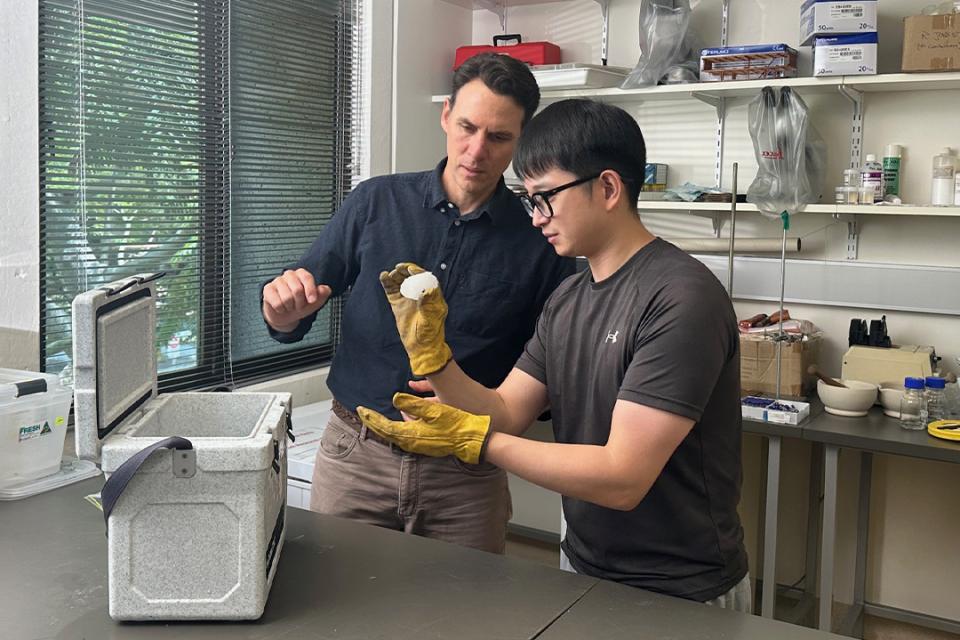
Associate Professor Matthew Mason and Dr Yuhui Zhang inspect a hailstone donated to UQ's hailstone library.
(Photo credit: The University of Queensland.)
Dr Joshua Soderholm, a BOM research scientist and Honorary Research Fellow at UQ’s School of the Environment, said the project’s findings will be especially beneficial for short-term forecasting.
“Radar imagery can show hail in clouds a kilometre in the sky, but we want to know about the direct relationship between that image and what actually falls to the ground,” Dr Soderholm said.
“The data will help inform estimates of hail sizes at the ground based on radar imagery so we can keep the community up to date.”
HailNet stations are being set up across South East Queensland from suburban Rocklea in Brisbane’s south to a vineyard in Stanthorpe and on the UQ Gatton solar farm.
“In terms of climatology South East Queensland is pretty much the hail hotspot for the entire country, so it’s an ideal location for the project,” Dr Soderholm said.
QFF CEO Jo Sheppard said Queensland’s farmers were on the frontline of extreme weather events, with hailstorms capable of wiping out crops and infrastructure in a matter of minutes.
“For some producers, hail and severe storm damage is considered a greater threat to income than drought,” Ms Sheppard said.
“High-value crops like pineapples and avocados can take years to recover from severe damage, making accurate risk data and innovative insurance tools essential to protecting livelihoods.
“Projects like HailNet are helping to fill critical data gaps, improving risk management and supporting informed decision-making across the industry.”
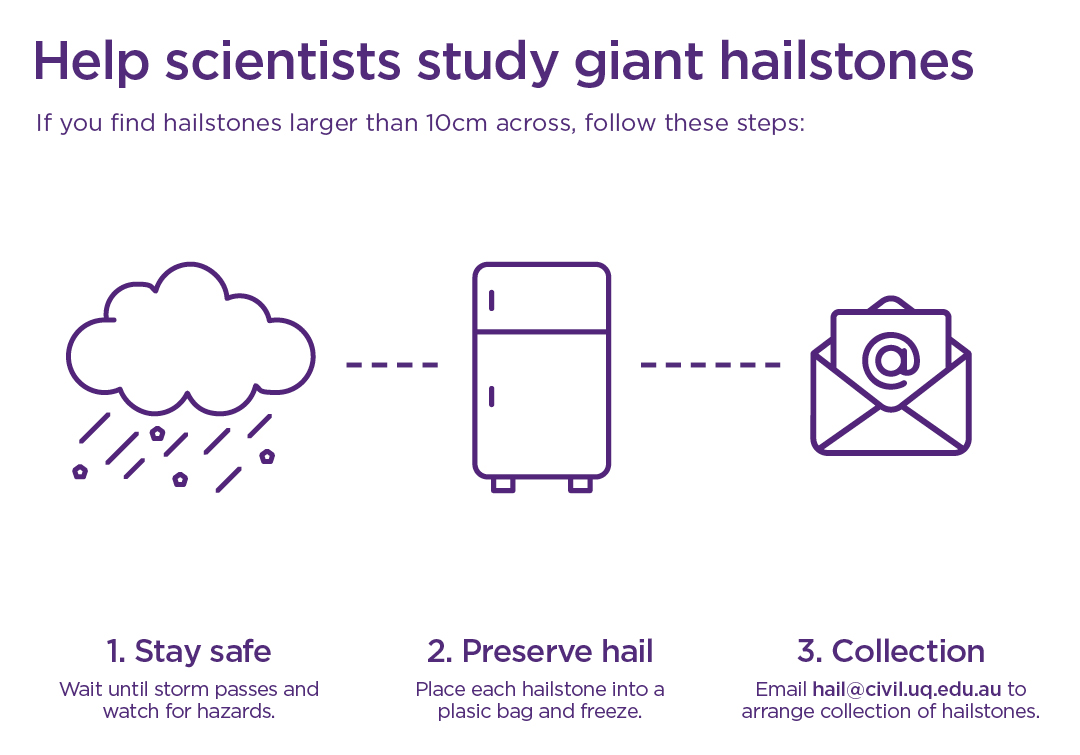
The HailNet project runs alongside the global hail library, which welcomes donations of hail specimens.
HailNet is jointly funded by the Australian and Queensland governments through the Queensland Resilience and Risk Reduction Fund, administered by the Queensland Reconstruction Authority.
Related articles